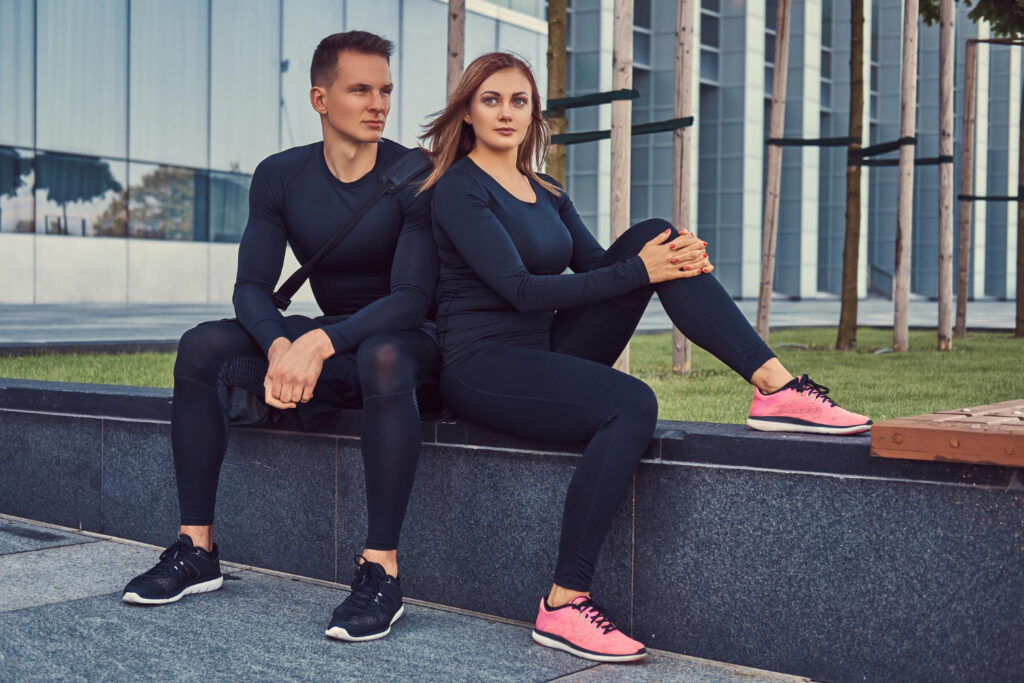
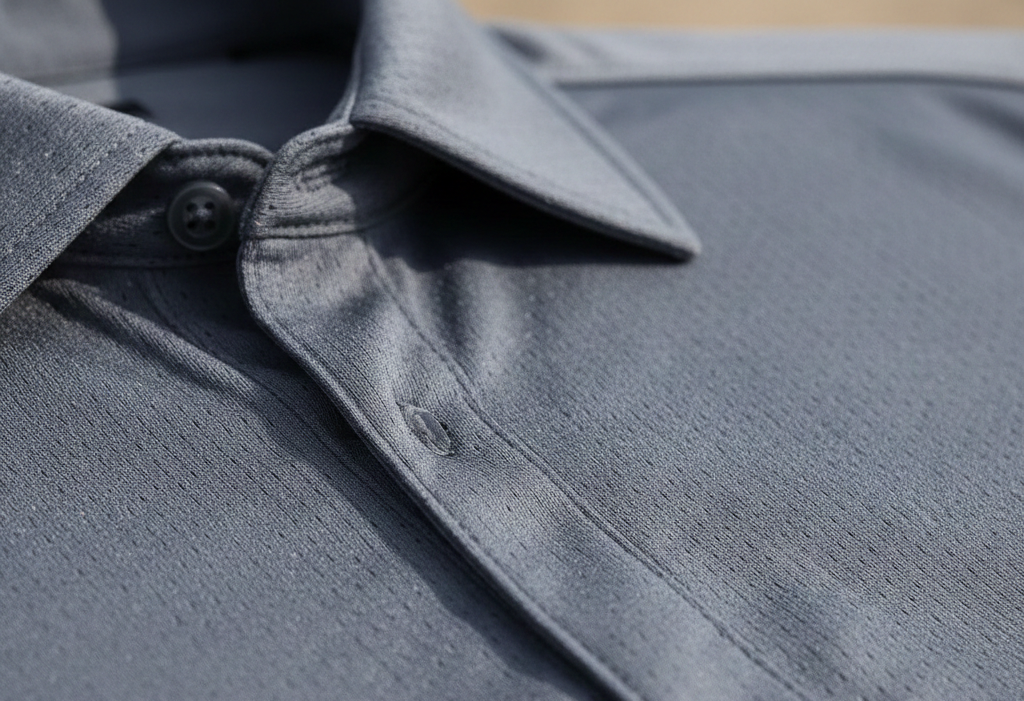
Breathable fabric shirts have become essential wardrobe staples, especially as temperatures rise and comfort takes priority in daily wear. With sustainable practices and performance-driven designs at the forefront, breathable shirts go beyond basic tees to include button-downs, polos, and casual overshirts that keep you cool without sacrificing style.
Breathability refers to a fabric’s ability to allow air circulation and moisture evaporation, preventing heat buildup and sweat from clinging to the skin. This makes these shirts ideal for hot weather, active days, travel, or office settings with poor air conditioning. The best options combine natural fibers for airflow with modern blends for durability and easy care.
This guide covers the top breathable fabrics, their benefits and drawbacks, key features to look for, popular types of shirts, recommended brands, styling tips, and common mistakes to avoid.
Why Breathable Shirts Matter in 2026
Hotter summers, urban heat, and a focus on wellness drive demand for shirts that regulate temperature naturally. Breathable fabrics promote better thermoregulation, reduce irritation, and minimize odor. Trends emphasize eco-friendly materials like organic cotton, linen blends, and emerging sustainable fibers. Performance synthetics with advanced wicking also gain traction for those needing quick-dry properties.
Top Breathable Fabrics for Shirts
Here are the leading choices based on current expert recommendations and trends:
- Linen Derived from flax plant stalks, linen tops the list for exceptional breathability due to its loose, open weave and large fibers.
- Benefits: Excellent airflow, quick-drying, naturally antibacterial, lightweight, UV-resistant, durable over time.
- Drawbacks: Wrinkles easily, can feel stiff initially (softens with wear), absorbs moisture without strong wicking.
- Best for: Casual summer button-downs, open-collar shirts, resort wear.
- Cotton (Especially Lightweight or Organic) The classic choice, cotton remains versatile and widely available. Opt for lighter weights like jersey, poplin, chambray, or gauze.
- Benefits: Soft, comfortable, hypoallergenic, good absorbency in dry heat, easy to care for, dyes well.
- Drawbacks: Holds moisture when saturated, dries slowly, can shrink if not pre-washed.
- Best for: Everyday tees, casual button-ups, polos.
- Bamboo (or Bamboo Viscose/Lyocell) Made from bamboo pulp, this renewable fiber offers a silky feel with superior breathability.
- Benefits: Highly breathable with micro-gaps for airflow, excellent moisture-wicking, naturally odor-resistant, soft, eco-friendly, UV protection.
- Drawbacks: Some processing can reduce eco-credentials, may pill over time.
- Best for: Tees, undershirts, lightweight casual shirts.
- Hemp From the cannabis sativa plant, hemp provides strength and sustainability.
- Benefits: More breathable than cotton, durable (lasts longer), moisture-wicking, mold-resistant, naturally softens with use, eco-friendly (grows with few pesticides).
- Drawbacks: Can feel coarse initially, limited availability in some markets.
- Best for: Casual tees, workshirts, sustainable blends.
- Merino Wool (Lightweight/Tropical Weight) Surprisingly effective in heat despite being wool.
- Benefits: Regulates temperature, wicks moisture, odor-resistant, breathable, soft.
- Drawbacks: Higher cost, requires gentle care.
- Best for: Performance tees, travel shirts, layering.
- Performance Synthetics (Polyester/Nylon Blends with Tech) Modern versions use recycled materials and advanced weaves.
- Benefits: Quick-drying, excellent wicking, lightweight, durable, wrinkle-resistant.
- Drawbacks: Less natural feel, can trap odors if not treated.
- Best for: Active or hybrid shirts.
Other mentions include rayon (light and drapey), silk (luxurious and breathable for upscale pieces), and chambray/seersucker (cotton variants with textured weaves for extra airflow).
Key Features to Look For
- Lightweight construction (under 150-200 GSM for shirts).
- Loose or open weaves (plain weave, gauze, or knit for tees).
- Moisture management (wicking > absorbency for sweaty conditions).
- Sustainable certifications (GOTS for organic, recycled content).
- Blends (cotton-linen, hemp-organic cotton) for balanced performance.
Types of Breathable Shirts
- Casual Tees: Jersey cotton, bamboo, or performance blends.
- Button-Downs: Linen, chambray, lightweight cotton poplin.
- Polos: Pique cotton or moisture-wicking synthetics.
- Overshirts/Hawaiian Styles: Open-weave linen or hemp.
- Travel/Performance: Merino or tech blends.
Recommended Brands in 2026
- Uniqlo: Affordable Airism tech, linen blends, Supima cotton tees.
- Everlane or Organic Basics: Organic cotton and sustainable basics.
- Taylor Stitch or Jungmaven: Hemp and organic blends.
- Mizzen+Main: Performance dress shirts with breathable tech.
- Patagonia or REI Co-op: Merino and eco-focused options.
- Premium picks: Linen from brands like Anatolico or high-end sustainable lines.
How to Style Breathable Shirts
- Everyday Casual: Pair a cotton or bamboo tee with shorts and sneakers.
- Smart Casual: Linen button-down untucked over chinos with loafers.
- Office-Ready: Lightweight performance button-up with tailored trousers.
- Vacation: Open-collar linen shirt with linen pants for effortless resort looks.
- Layering: Use breathable overshirts over tees for transitional weather.
Roll sleeves, choose relaxed fits, and accessorize minimally to keep the focus on comfort.
Common Mistakes to Avoid
- Choosing heavy or tight weaves that trap heat.
- Ignoring care instructions (linen wrinkles but softens; merino needs wool wash).
- Overlooking blends for specific needs (pure cotton in high humidity).
- Skipping sustainable options when quality matches conventional ones.
- Wearing non-breathable synthetics in extreme heat.
Final Thoughts
Breathable fabric shirts offer the perfect combination of comfort, functionality, and style for modern life in 2026. Prioritize natural options like linen and organic cotton for everyday wear, or tech-enhanced fabrics for active scenarios. With sustainability trending, choosing eco-conscious pieces supports both personal comfort and the planet.
Invest in a few high-quality breathable shirts from trusted brands, experiment with fits and fabrics, and enjoy staying cool no matter the weather. Your wardrobe will thank you with effortless versatility and all-day comfort.